
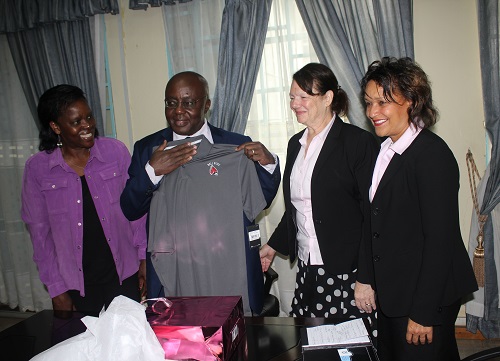
 MMUST and Ball State University (BSU) rolled out plans to establish a Sickle Cell Anaemia Center in Western Kenya, on 9th July, 2018. This is part of strategies to help mitigate the devastating effects of this inherent blood disorder, which affects many people in Western Kenya, yet remains poorly understood in the entire African continent.
This comes after a meeting between a team led by MMUST Vice Chancellor, Prof. Eng. Fred Otieno with the Deputy Vice Chancellor Planning, Research and Innovation, Prof. William Shivoga, and the BSU Director School of Nursing, Prof. Linda Siktberg with her counterparts Prof. Sheila Abebe, and Prof. Winnie Mucherah, who is currently based in MMUST on a Carnegie African Diaspora Fellowship Program (CADFP).
Sickle Cell Anaemia is a genetically inherited disorder that causes abnormality in the Red Blood Cells (erythrocytes), causing the victims health to deteriorate due to poor supply of oxygen in the body. The disease has been found to be prone in Sub-Saharan Africa, Kenya being among the most affected countries, especially in the Western region.
Prof. Otieno welcomed the collaborative initiative of setting up a Sickle Cell Anaemia Center. He affirmed that practical plans are already in place to ensure this initiative is fully implemented. “This noble initiative is supported by the World Health Organization (WHO), and therefore, should be pioneered in the entire country as it also aligns with the Presidential Big Four Agenda of providing Affordable Health Care” he said.
Prof. Siktberg said that there is need to set up a Sickle Cell Anaemia Centre in MMUST to help the community reduce the cost of healthcare on individuals and improve their general community health. In a rejoinder, Prof. Abebe said “a larger percentage of infants in Sub-Saharan Africa are born with Sickle Cell Anaemia and hardly attain their fifth birth day”. Prof. Mucherah urged that people in this region should lead a healthy lifestyle and go for regular check-ups to increase life expectancy amidst the Sickle Cell Anaemia problem.
Prof. Shivoga praised the unique initiative saying that the first beneficiaries would be a number of MMUST staff whose family members suffer the disorder. He said that the community in this region largely depends on MMUST expertise and facilities, as this could help them get more understanding of Sickle Cell Anaemia management. Other MMUST members present included the Director of International Relations and Academic Linkages, Dr. Catherine Aurah, Dean School of Education, Dr. Judah Ndiku, Chairman Department of Educational Psychology, Dr. Kennedy Bota, Director Corporate Communications and Marketing, Dr. Dennis Ochieno, and the Community Liaisons Officer Mr. Oscar Waswa.
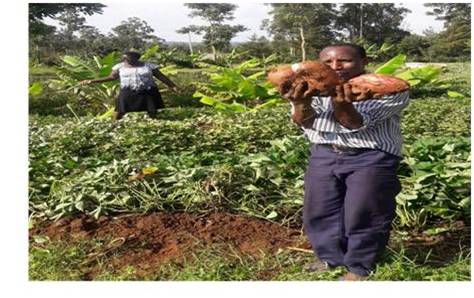 MMUST has taken a major role in addressing the persistent problem of food insecurity, by promoting the cultivation of drought tolerant root tuber crops in Western Kenya. This is part of the extension functions of the University, majorly entrenched through various MMUST satellite campuses, study centres and field stations. In Vihiga County, MMUST has established a farmer-participatory sweet potato germplasm multiplication centre at the Ebunangwe Field Station.
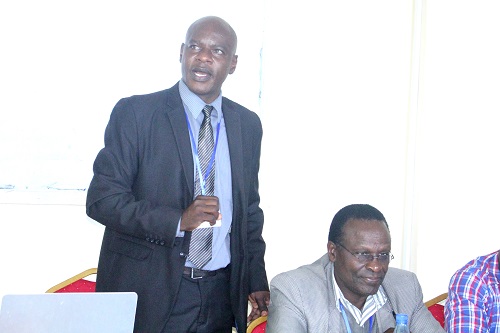 MMUST hosted the First Biophysical Society Conference, which focused on Harnessing Scholarly Biophysical Potential in Africa, on 6th July 2018. Biophysics is an interdisciplinary Science that applies the approaches and methods of Physics in the study Biological Systems. The interim President of the Biophysical Society (Kenya), Mr. Philip Amuyunzu Mang’are, a lecturer and researcher in the department of Physics (MMUST), gave an overview of the Biophysical Society. “This Biophysics discipline covers all scales of biological organization, from molecular to organismic levels, through to populations and ecosystems at large” he said.
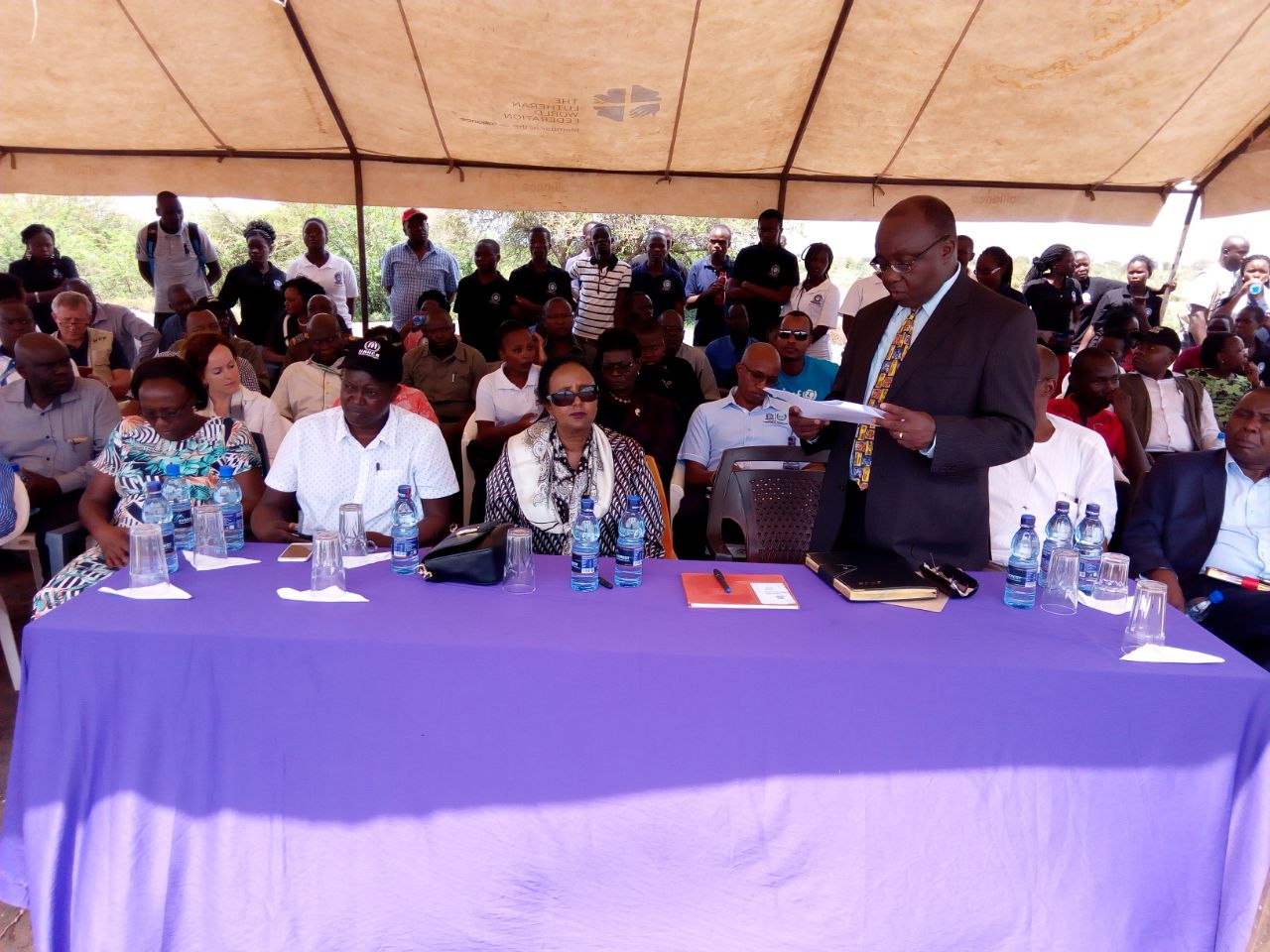 Education Cabinet Secretary Amb. Dr. Amina Mohamed praised MMUST for the unrelenting efforts towards bringing higher education to marginal areas such as Turkana County in Northern Kenya. This was during visits to Kakuma Refugee Camp, and Turkana West University College, a Consituent of MMUST, on 2nd July, 2018. The Cabinet Secretary, in particular, hailed MMUST for the provision of University Education to refugees and Northern Kenya Communities, spreading out to the war torn South Sudan.
 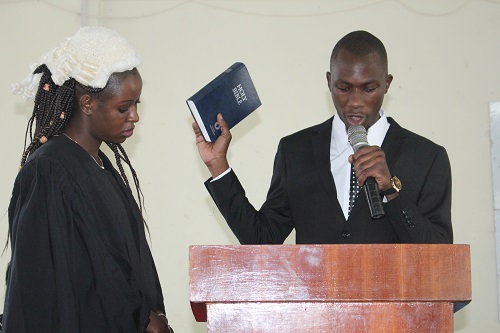 The New MMUSO Leadership took full charge of the student organization, in a colorful swearing-in ceremony held at the Main Campus on 28th June 2018. Taking the oath administered by the Legal Officer Ms. Josephine Osiro, were the MMUSO President Clifton Kisera, Deputy President Esther Nyaboke, Secretary General Julius Museu, Treasurer Boniface Kirimi, Secretary Academics Patrick Odhiambo, Secretary Sports and Entertainment Bahati Mong’are, Secretary Gender and Special Interests Noyline Cherotich, and 36 members of parliament drawn from various sections of the University.
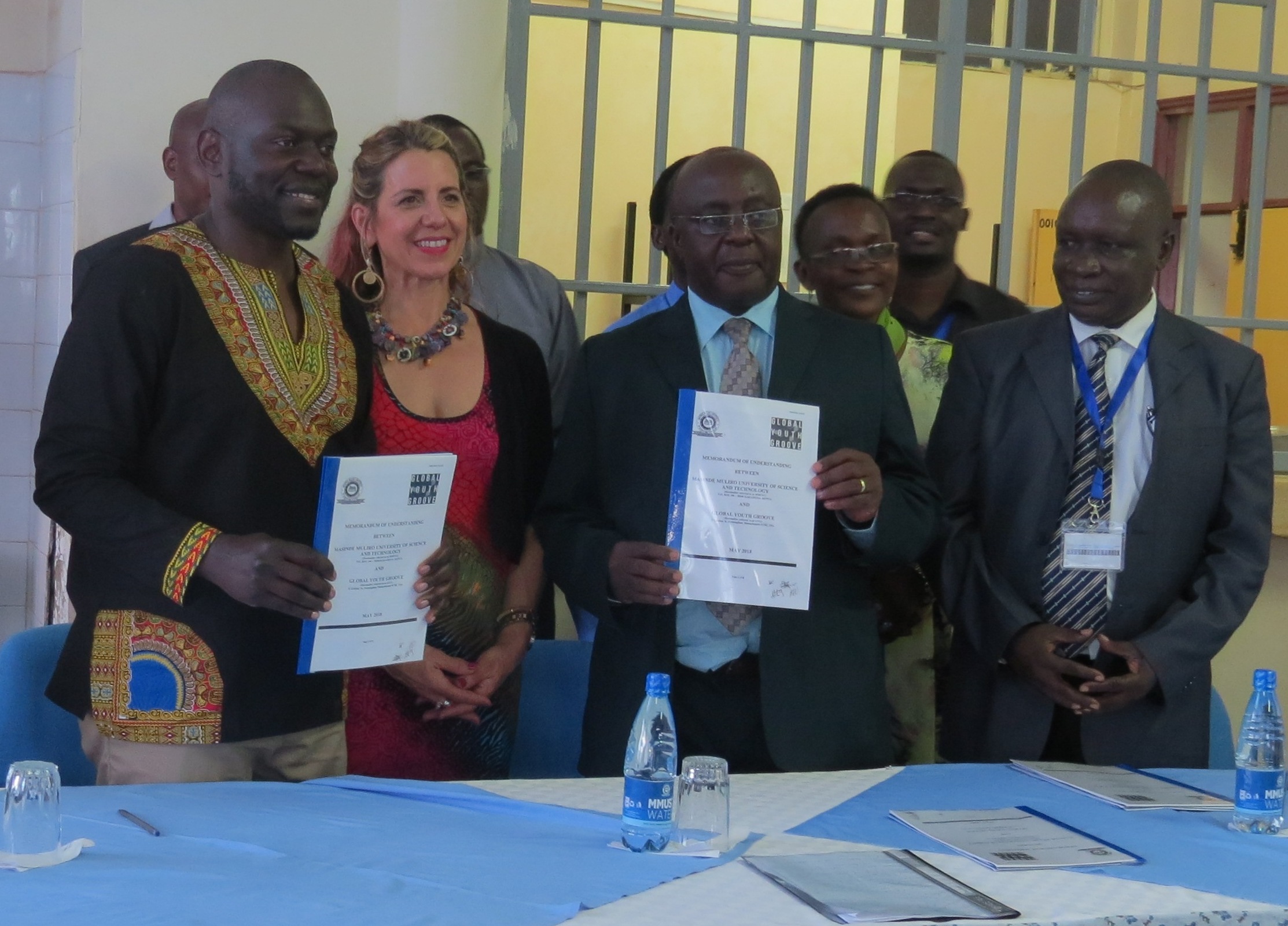 It was a day filled with pomp, splendor and colour at Masinde Muliro University of Science and Technology on Tuesday June 12th, 2018, when the institution received musical instruments from the US-Based Global Youth Groove (GYG), an International Organization that promotes music talent and facilities around the world.
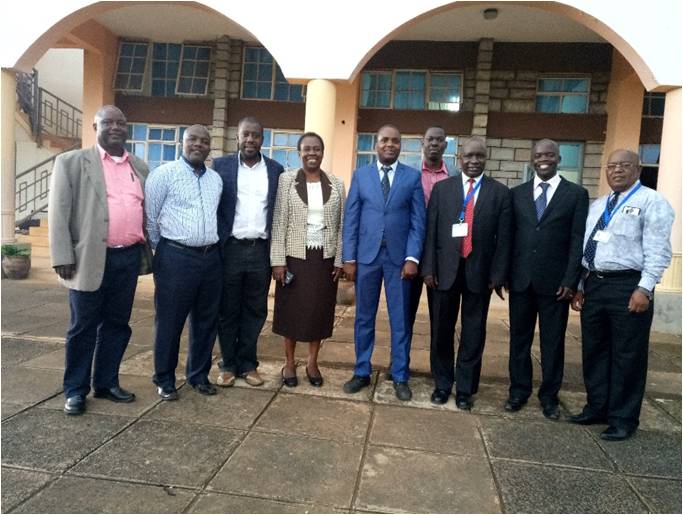 African Development Bank (AfDB) representative, Dr. Emmanuel Musyoka, visited MMUST as a potential host for the premier editions of the Africa-Wide Innovation and ICT Center of Excellence initiative. Dr. Musyoka, a Sustainability Specialist in the Education, Human Capital and Employment Division of AfDB, was on the mission to prepare African youth for the Fourth Industrial Revolution by imparting digital skills through Information and Communication Technology (ICT) trainings. This would be achieved through partnerships between AfDB and universities in actualizing the ‘Jobs for the Youth in Africa (JfYA) ICT and Innovation Centers of Excellence Initiative’.
 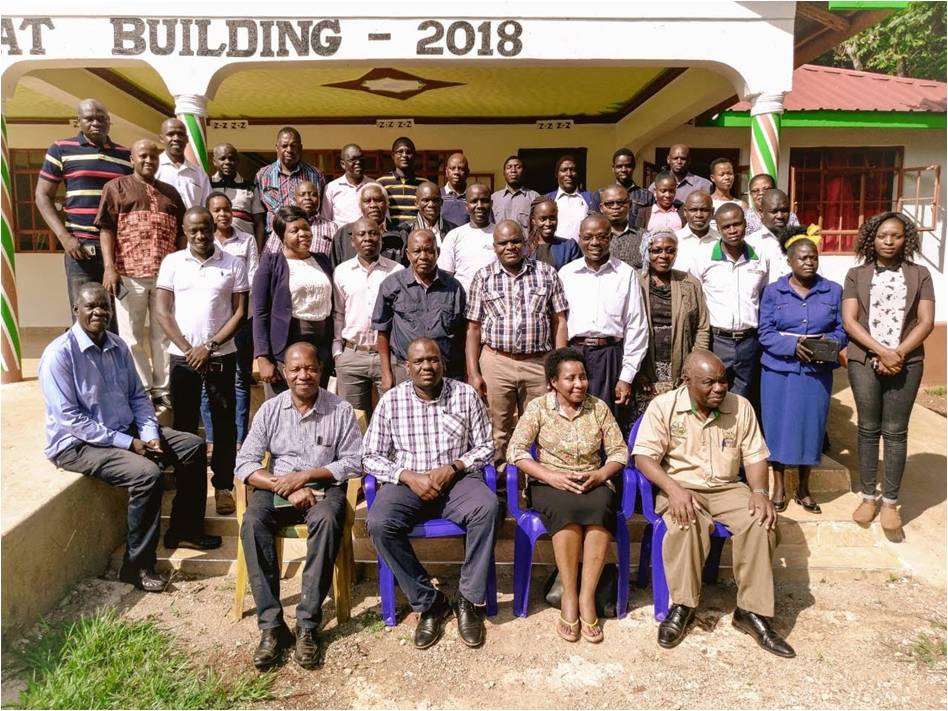 MMUST has positioned itself as a key player in sustainable agriculture and environmental protection. This is through the collaborative research project, “Scaling up Sustainable Land Management and Agro-Biodiversity Conservation to Reduce Environmental Degradation in Small Scale Agriculture in Western Kenya”. The five-year project, funded by the Global Environmental Facility (GEF) to a tune of USD 3.5 million, is spearheaded by the Kenya Agricultural and Livestock Research Organization (KALRO); with other partners being Kenya Forestry Research Institute (KEFRI), Kenya Forest Service (KFS), County Governments of Kakamega, Vihiga and Nandi; Nature Kenya, Community Forest Associations (CFAs) among others. In a strategic workshop at KARLO-Alupe in Busia County held on 30th-31st May 2018, MMUST was represented by the researchers Dr. Francis Muyekho, a leading Agronomist, and Mr. Humphrey Agevi, an Environmentalist. In the project, MMUST will play a key role of teaching and supervision of postgraduate students, who will work on different research topics.